Calm under pressure training
Designed for people who perform under pressure, and want to stay in control

Calm under pressure
Multiple brain areas-
Brain Optimization
-
Stress Relief
-
Flexible training hours
This program is designed to strengthen your mind, cultivating deep calm, sharp focus.
Rebuild your brain
This program is designed to strengthen your mind—cultivating deep calm, sharp focus, and unshakable resilience.
How many sessions?
- Train twice a week
- Discover the buddha in you
- Say Yes to a balanced mind
Schedule a free consultation
The steps of the program Calm under presure training
Your journey to a Clear mind, focus and new mindset

Meet & Greet
15 min. online
1

2
Intake
One hour live
3
Masterplan
We need two hours live
4
Start training
You train in per session
Twice a week. After 15 - 18
your brain has been reset.
5
Evaluate
After 15 -18 times
2nd Brain Part
After 15 - 18 times
6
7
Evaluate
One hour live
8
3rd Brain Part
If required
9
4th Brain Part
If required
10
Evaluate
After 15 -18 times
Calm under pressure training Q&A
15 min. Q&A online
We meet 15 minutes online for a short Q&A.
30 min. intake online
During an initial intake, which can be done online, you can share what concerns you or what you would like to improve. This session takes approximately 30 minutes
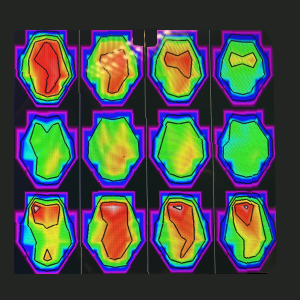
The brain scan - Masterplan
The process of scanning your brain (EEG) and the fist intakes typically takes about 2 hours. To detect the signals from your brain, gel or hairspray can interfere with the process. Please wash your hair before coming and do not use any hair products
Intake
Wash your hair
To detect the signals from your brain, gel or hairspray can interfere with the process. Please wash your hair before coming and do not use any hair products
The session: Set up
A Setup at our studio: At the beginning of the session, electrodes (or sensors) are placed on your scalp to measure your brainwave activity. This process is painless and takes about 5–10 minutes.
The training
During the session, you’ll typically be watching a movie. This is done while receiving real-time feedback about your brainwave activity.guide your brain toward a more optimal state. It’s designed to feel like
a gentle nudge rather than a demanding task.
Prepare
Ready with the training
Are you done with the session, we will disconnect the electrodes and talk briefly about your experiences.
How long does it takes?
A typical neurofeedback session usually lasts between 30 to 45 minutes. The first session may take a bit longer, around 60 to 90 minutes, as there’s an initial assessment and setup involved. Follow-up sessions typically take less time, as your brain’s training progresses. The exact duration may vary depending on your specific needs and goals.
Does this last?
Imagine you break your leg and have to wear a cast. After about six weeks, your leg is healed, if all goes well. But that doesn’t mean you’re immune to re-injuring it. Healing doesn’t make you invincible, just like any remedy, it’s a process, and it requires ongoing care.
The same is true for neurofeedback treatment. Research, particularly in ADHD, shows that while improvements in attention, impulsivity, and hyperactivity are noticeable right after treatment, the benefits continue to build over time.
What to do
Time investment
Just like working out at the gym, training your brain takes time. The most effective approach is to train twice a week.
Once your brain understands the direction we’re aiming for, you can reduce it to once a week.
How many sessions?
After 15 till 18 sessions your brain has build a new path. Remember, each brain is different. Each brain part needs 15 – 18 session.
Clear mind and Focus
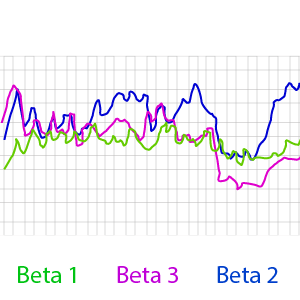
With this program we train SMR or the brain activity in the sensorimotor area. It boosts SMR brainwaves (12–15 Hz), improving focus, attention, motor precision, and relaxation.
About the training
Does it hurt?
No, neurofeedback does not hurt. It is a pain-free process. The small sensors are placed on your scalp to measure brain activity, but they don’t cause any discomfort.
Some people may feel relaxed or even slightly energized during or after a session, and there is no pain involved. It’s a safe and gentle way to train your brain.
What do you need to do?
You just need to relax! We connect you to our hardware. You can train with a movie, a drone session over Thailand, a dive into the ocean. You can choose any relaxing movie you like.
Is it hard to train?
No, neurofeedback training is generally not hard to do. In fact, one of the reasons neurofeedback is so appealing is that it is relatively easy for most people to engage in. The process is more about learning than strenuous effort, and participants typically find the sessions relaxing or even enjoyable.
About the sessions
Schedule sessions wisely
If you have a demanding job, plan your sessions at the end of your workday or when you can rest afterward. If you find the sessions less impactful, you can schedule them anytime.
A good night’s sleep
Fatigue typically decreases as your brain becomes more efficient with continued neurofeedback training. If the tiredness persists or feels excessive, discussing it with your neurofeedback practitioner is a good idea—they can adjust the session protocol.
Consistency
Regular and consistent sessions lead to better outcomes, so sticking to a schedule is important for effectiveness.
Some people respond more quickly to neurofeedback, while others may require more sessions to achieve the desired balance.
About the sessions
Can I still work?
🧠 1. Feeling Energized and Focused:
- Many people report feeling clear-headed, focused, and calm after a session.
- Light or routine work tasks are often manageable and even more productive.
😴 2. Feeling Tired or Mentally Drained:
- Some people feel mentally fatigued or slightly foggy after a session, especially during the early stages of training.
- If you experience this, it’s better to schedule lighter tasks or take a short break before returning to work.
How do you feel after this?
It’s possible you feel relaxed or “zoned out”. Occasionally, mild headaches. Increased mental clarity after resting, or a bit fatigue.
Working after a session
- Session Intensity: Longer or more challenging sessions can leave you feeling more drained.
- Type of Work: Mentally demanding tasks may feel harder if you’re tired. Routine or less intense work is usually fine.
- Individual Response: Everyone reacts differently; some need rest, while others feel ready to tackle tasks immediately.
After Neurofeedback
For who are these sessions
We love to support driven individuals who feel mentally steady and are ready to explore deeper levels of clarity, focus, and resilience.
Who this is not for
This program is not suitable for those currently in therapy, psychiatric treatment, or with active mental health diagnoses.
If you’re currently in therapy
There are other specialized providers who can support you on your journey. We recommend seeking help from qualified professionals who are best suited to your needs.